
It brings me such joy to support my clients with making progress toward more self-care (and self-love) through food. Our diets don’t need to be perfect, and every single thing we eat doesn’t need to have a health benefit. If I were just starting to think about anti-inflammatory eating today, these would be my top tips. Turmeric, ginger, garlic, and cinnamon are all natural anti-inflammatories and are delicious additions to your sports diet.
Antioxidants in Sport Nutrition.
This one can feel tricky because our sports performance diets rely on carbohydrates to fuel our most challenging sessions. Sometimes a meal or a snack that includes a refined carbohydrate, like a peanut butter and jelly sandwich on white bread, is exactly the fuel you need to perform your best. If we can choose more whole grains and legumes outside of our immediate training fuel, this may help to decrease inflammation. Dietitians say the anti-inflammatory diet is frequently prescribed as a complementary medicine approach to help manage symptoms for people with various chronic illnesses, and that it’s generally a healthy eating plan for anyone of any age.
What to Eat Before a Long Run
Whether you choose to limit alcohol in your sports diet in an attempt to decrease inflammation or to improve your sports performance, both are worth considering. For more information, check out How Alcohol Affects Athletic Performance-What Every Athlete Should Know. Antioxidants protect the body from oxidative stress, thereby preventing damage to a wide range of cell structures including lipids, proteins and DNA (Martin 2008). In the body, antioxidants are usually categorised as either endogenous or exogenous.
Reduce Inflammation with Foods, Not Pills — A Guide for Athletes
But if we try to micromanage every single bite or vilify certain food groups, we lose the ease and flexibility of an eating plan that we can stick with long term. Just like we generally feel better when we get a good night’s sleep, it is also OK to stay up late once in a while to dance your heart out at a concert. So, while I do recommend limiting these foods for overall wellness, it is perfectly fine to enjoy them sometimes.
2. ENDURANCE TRAINING AND OXIDATIVE STRESS
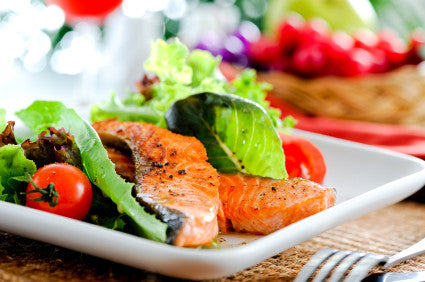
On the other hand, those vegetables are known to contain essential nutrients like vitamin C and lycopene that you do need. As its name implies, an anti-inflammatory diet focuses on foods that help prevent and lower inflammation in the body. Basically, the anti-inflammatory diet boils down to eating more of the foods that lower inflammation in the body and reducing your consumption of foods that can exacerbate inflammation. Try to turn in an hour earlier than you intend to fall asleep with a book (not electronics), with the goal to get in bed and wake up at the same time each day. A Google search for “anti-inflammatory diet” is bound to deliver loads of information.
Feeling Beat Up After Your Workout? Here’s What to Eat to Reduce Inflammation
Endurance training relies on oxygen use in skeletal muscle to provide the energy for these activities. The oxidative nature of this training may increase the production of free radicals, which are highly reactive, and antioxidant defences are necessary to protect cells from free radical damage. This potential to damage cells is described as oxidative stress and may result in an inflammatory response from the immune system to protect host tissues. You may know me as a sports nutrition expert and certified intuitive eating counselor. The anti-inflammatory diet is overall a healthy and flexible approach to eating for most people.

Are Almonds or Cashews Healthier? 1 Has More Protein and Fiber, Dietitians Say
But remember that your nutritional needs are high as an athlete, and there are times when packaged or processed foods play an important role to keep you in caloric balance, fuel up quickly before a workout, or assist with kickstarting recovery. Upper respiratory symptoms are one of the most common reasons for an elite athlete to present for medical review (Robinson and Milne 2002) and there is an established link between training load and risk of respiratory illness (Walsh et al. 2011). These symptoms are consistent with an inflammatory response and until recently were assumed to be the result of upper respiratory https://thelakewoodscoop.com/news/madmuscles-app-review-easy-to-cancel-and-transparent-fitness-subscription/ infection. However, this is not always true and the aetiology of the airway inflammation in endurance athletes is varied (Spence et al. 2007) including infection, localised inflammation, allergy and poorly managed asthma.
Designed to support the body’s complete protection, it’s ideal for both energy and muscle recovery following intense physical activity. Your dietitian may recommend doing an elimination diet to get a more personalized prescription for the type of anti-inflammatory diet that works best for you, Shapiro said. Under the direction of a dietitian, you’ll eliminate lots of foods that might be triggering inflammation. Then gradually, one at a time, you’ll add foods back into your diet and observe whether specific ones trigger the symptoms you’re trying to avoid, Shapiro explained. The market is flooded with tools to reduce inflammation and oxidative stress, and it’s easy to throw money at the feel-good quick fixes. Truth be told, the most powerful antioxidants have been right under our nose all along, and they won’t cost you a fortune.
Easy Does It: Why You Should Target Zone 2 Cardio Workouts
- Nutrition, wellness, and athletic performance are based on what we do most of the time.
- Athletes and people who exercise at a high intensity and are looking to lessen their baseline inflammation could also find it beneficial, she says.
- Including fermented foods in your sports diet may also play a role in decreasing inflammation.
- “People may feel better, with less bloating, gastrointestinal discomfort, and achiness,” Scanniello says.
- These events attract substantial numbers of non-elite recreational competitors as well as elite endurance athletes.
- The anti-inflammatory diet is overall a healthy and flexible approach to eating for most people.
I love making quick stir-fries with the triple punch of turmeric, garlic, and ginger, and my oats or yogurt bowls are never complete without a dusting of cinnamon. The DASH diet, for instance, comes with more parameters and still qualifies as anti-inflammatory. It’s undergone a complete glow up from a fussy grandma food to a high-protein essential on many athletes’ weekly grocery lists. When clients ask me my opinion about “cheat days” or “cheat meals,” my brain immediately conjures up all the other associations of cheating. Cheating on a test… Cheating on your partner… Cheating on your taxes… Do any of these things sound desirable to you?
Man Loses 155 Pounds, Gains Muscle After 50: ‘I Crave the Exercise Now’
In this study, the concentration of markers of oxidative stress did not change following prolonged submaximal (55% VO2 max) cycling. The increased oxidative stress produced by altitude exposure may play an important role in adaptation, and dampening this effect with antioxidant supplementation may theoretically impair adaptation. Several studies have attempted to attenuate the inflammatory effects of exercise using antioxidant-rich supplements. A reduction in creatinine kinase and urinary 8-hydroxy-guanosine has been reported following pre-season supplementation with a blend of antioxidants and amino acids in collegiate soccer players (Arent et al. 2010). Although no performance benefit was demonstrated in the players, this could imply a possible recovery benefit. Acute supplementation of trained cyclists 4 h prior to an exercise trial with a pine bark extract, Pyconogenol®, increased time to exhaustion, maximal oxygen uptake and economy (Bentley et al. 2012).
Potential Health Benefits of an Anti-Inflammatory Diet
Although oxidative stress may result in an inflammatory response, it is also possible that free radicals play an important physiological role in training adaptations. There has been considerable debate on whether excessive antioxidant intake may reduce training related adaptations (Gross et al. 2011). Achieving an appropriate balance between pro-oxidants and antioxidants may be a challenge for many endurance athletes (Atalay et al. 2006; McGinley et al. 2009). Antioxidants can diminish the potential oxidative stress produced by high volume and intensity endurance training. However, it is not entirely clear whether an increased oxidative stress caused by training is actually harmful to the athlete. The degree that an increase in free radical production during high training loads regulates signalling required for training adaptations warrants further investigation.


